

US Government or Venture Capitalist? Inside Trump’s Expanding AI & Semiconductor Equity Empire
 Redaksi inNalar.com
2 Agustus 2026 04:21
.
4 min read
Redaksi inNalar.com
2 Agustus 2026 04:21
.
4 min read
inNalar.com – The Trump administration expanded the government’s investment portfolio this week after six semiconductor companies signed letters of intent to receive government assistance in return for “a minority, non-controlling equity stake.”
These new deals, set to be finalized in the months ahead, would bring the total number of companies in the Trump government portfolio to 30, according to a tally from Tad DeHaven of the Cato Institute.
“Perhaps most striking about the announcement is how unremarkable government ownership is becoming,” DeHaven said this week.
The investments would provide up to $874 million from the 2022 CHIPS and Science Act to help build out new infrastructure for advanced computing and AI systems. This CHIPS Act funding was passed in 2022 and signed into law by former President Joe Biden, who used the money to deliver government grants without taking equity.
The Trump team has made a hard pivot and is now giving money to 18 semiconductor-adjacent companies in a series of deals that all have been publicly tied to taking equity stakes.
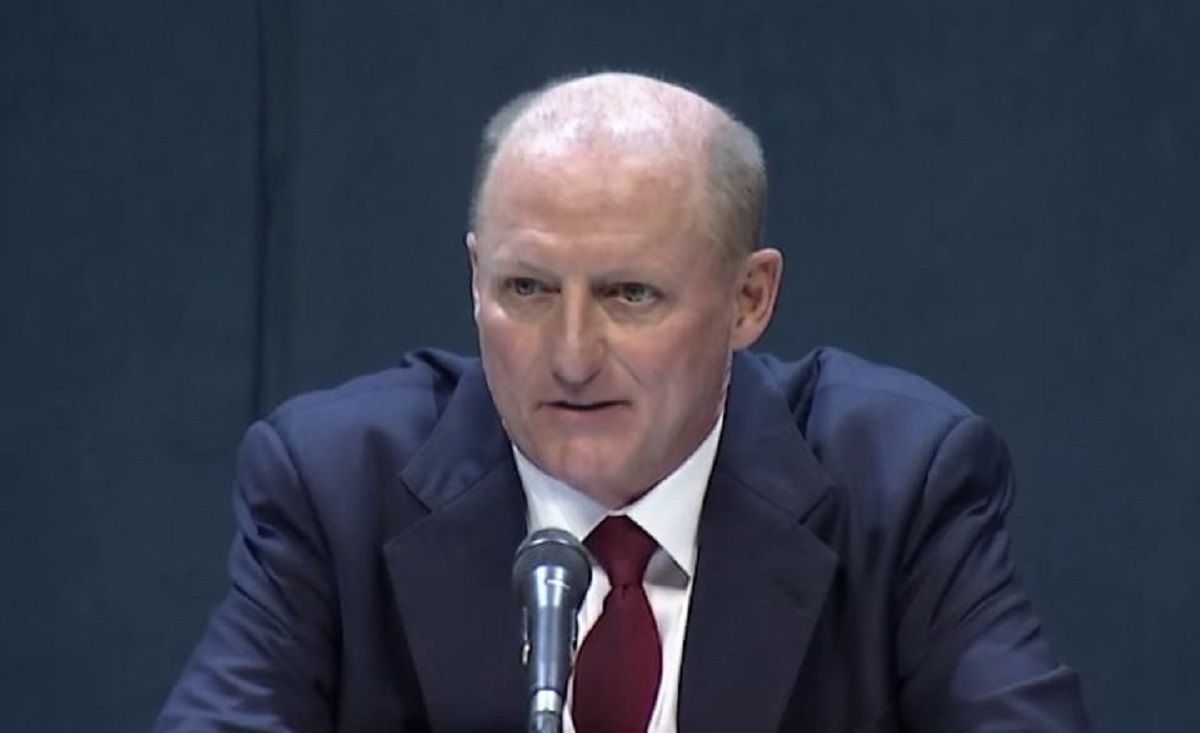
“These strategic investments will enhance our country’s domestic capabilities, create high-paying jobs and keep America at the forefront of the semiconductor industry,” Secretary of Commerce Howard Lutnick said in a statement.
Related: Trump administration takes ‘golden share’ in US Steel amid Nippon deal
Bill Frauenhofer, executive director for Semiconductor Innovation and Investment at the Department of Commerce, said the deals are aimed at providing companies “the extreme bandwidth and energy efficiency to scale complex AI workloads securely and rapidly.”
If finalized, this week’s letters of intent will distribute up to $874 million across the companies Kepler, Multibeam Corporation, Extropic, Thintronics, OBSIDIA Semiconductors, and Aeluma, in awards ranging from $30 million to $245 million. The exact equity stakes the government is taking in this week’s deal were not announced.
The list also included GlobalFoundries, which struck a separate deal with the government in May around quantum computing and is now in line for a second round. GlobalFoundries is set to receive the largest award, with plans for up to $300 million in government funding on top of the $375 million announced in May, which the company said at the time would translate into a government stake of about 1%.
It’s just one front in the expanding government portfolio, which also includes quantum computing, steel, nuclear energy, and rare earth minerals.
In May, the administration announced new investments in quantum computing companies — including funding for a new IBM venture — in exchange for equity stakes, despite questions about the near-term commercial viability of that sector.
The Trump administration has emphasized national security in its investment moves over the past year, describing an ambition to both turn a profit and support strategic industries. It took a “golden share” in US Steel as part of an agreement to approve Nippon Steel’s purchase, and took an 8% stake in nuclear power company Westinghouse.
Over the past year, the US has also taken stakes in an array of rare earth companies, such as magnet maker Vulcan Elements, mining company MP Materials, and another called USA Rare Earth. All told, the Trump administration has equity stakes of between 5% and 15% in at least five different rare earth companies.
Those deals appear similar in approach — with government grants offered to smaller, riskier start-up-type companies in exchange for equity — to how this week’s semiconductor deals are expected to be structured.
The most prominent investment is in Intel: Since that deal was announced last August, stock in the US-based chipmaker has hit record highs and netted the US an unrealized profit north of $70 billion, which Trump has been eager to tout.
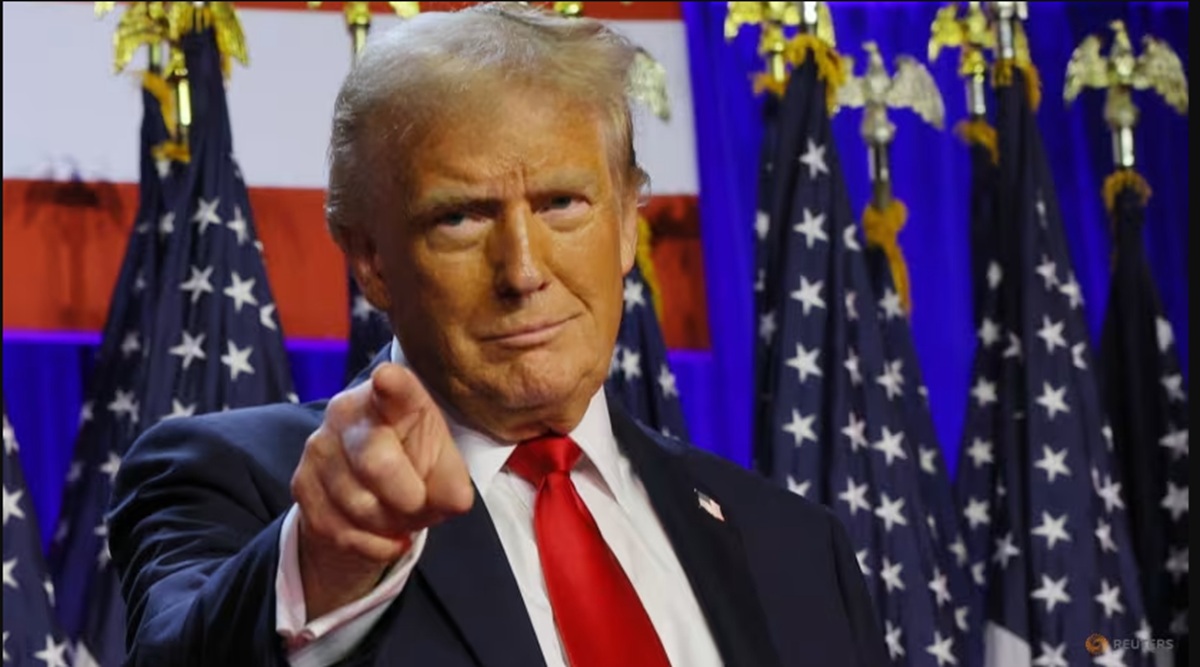
“Congratulations to the People of the United States for making such a good investment,” President Trump recently posted to Truth Social.